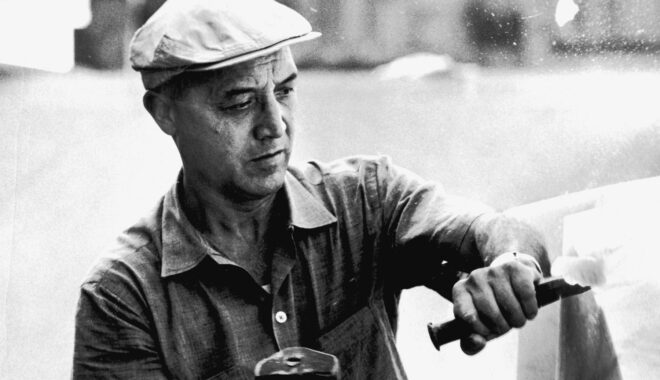
The World Of Robin Day, a Mid-Century British Icon.
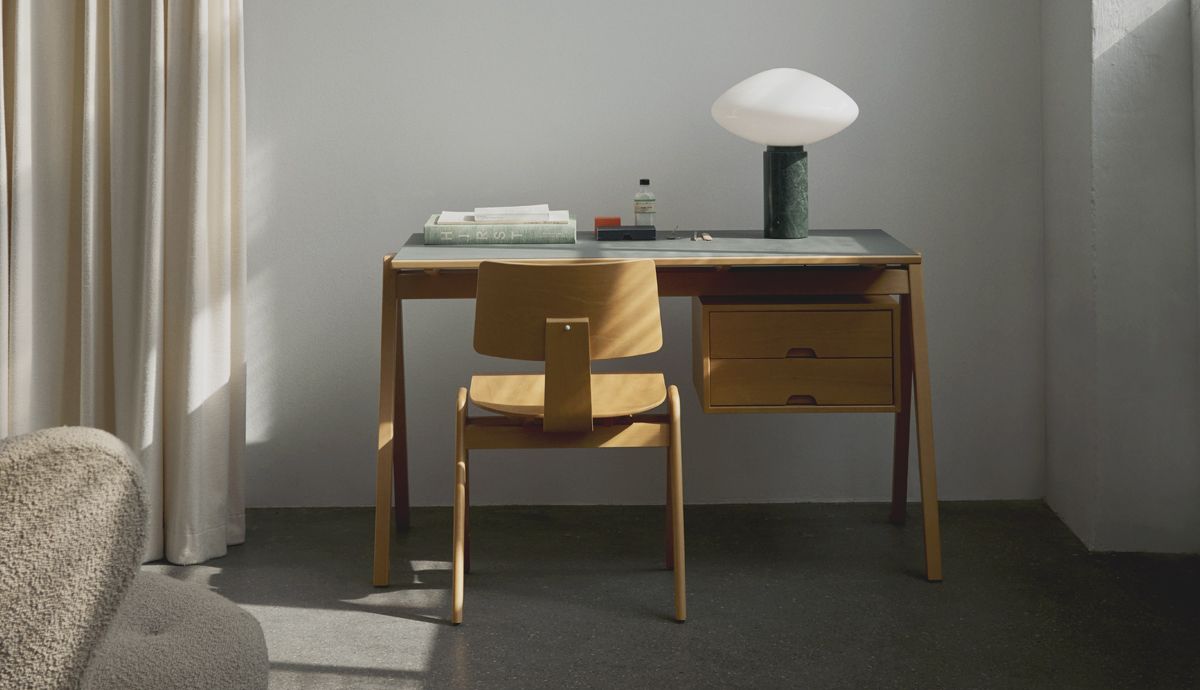
Few designers shaped modern British furniture as profoundly as Robin Day. Emerging in the years following the Second World War, Day helped define a new vision of modern living: practical, democratic, and forward-looking. His work combined technical innovation with an unmistakable clarity of form, producing furniture that remains relevant more than seventy years later.
Born in Buckinghamshire in 1915, Day studied furniture design at the Royal College of Art, graduating in the late 1930s. His international reputation began in 1948 when, alongside architect Clive Latimer, he won first prize in the Storage Unit category at the International Competition for Low Cost Design organised by the Museum of Modern Art in New York. The competition marked a pivotal moment for modern design, bringing global attention to a generation of designers exploring new materials and manufacturing techniques. Among the other winners was Charles Eames, whose work in moulded plywood would soon reshape furniture design in the United States.
In Britain, Day’s influence developed in parallel. Like Eames, he worked closely with manufacturers and institutions to develop furniture suited to a new post-war society. His designs balanced efficiency with warmth, embracing modern materials while remaining accessible and practical for everyday life.
The Festival of Britain and the Royal Festival Hall
Robin Day’s role in the Festival of Britain in 1951 cemented his reputation as one of the country’s leading designers. The festival was conceived as a national showcase of optimism and renewal after the war, and Day contributed furniture and interiors to several exhibits, including the Homes and Gardens Pavilion.
Around the same time he designed seating for the newly built Royal Festival Hall on London’s South Bank. The project demonstrated Day’s ability to combine elegance with durability in large public spaces, and the venue quickly became a symbol of modern Britain.
Furniture developed during this period illustrates the direction design was taking in the early 1950s. Lightweight construction, industrial processes and new materials were increasingly embraced. Bent plywood, in particular, allowed designers to create strong yet sculptural forms.
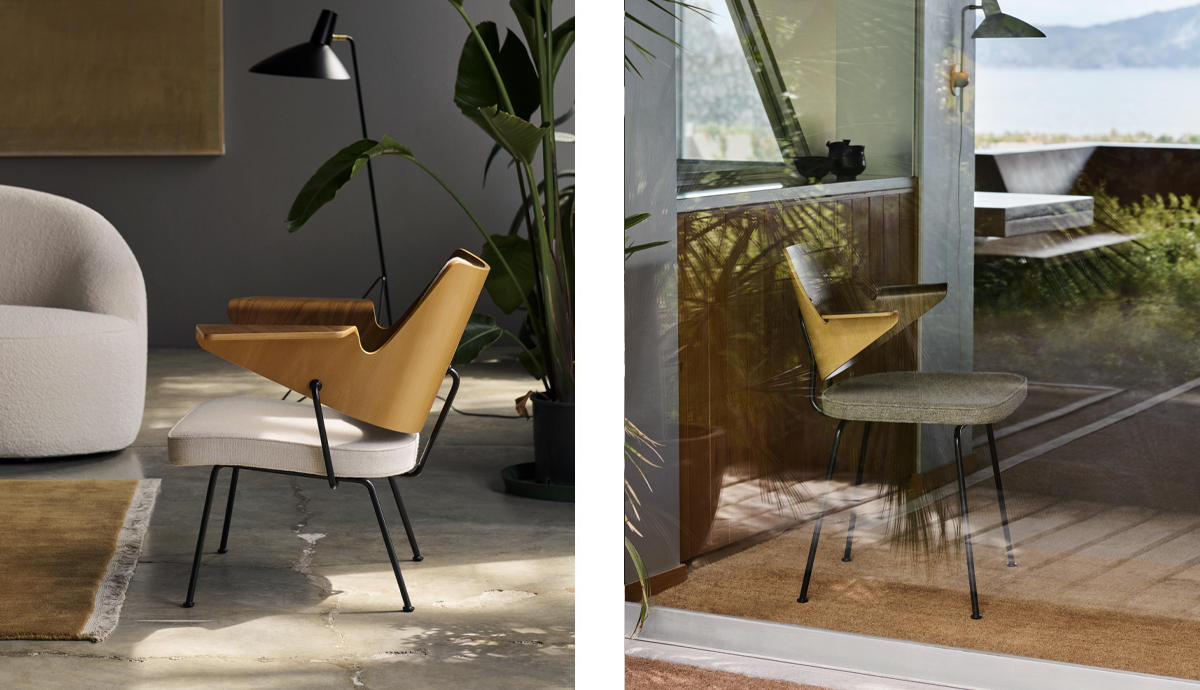
Day’s 675 Chair, introduced in 1953, is a perfect example. Its layered plywood back and seat created a refined silhouette while remaining economical to manufacture. The chair remains one of the most recognisable pieces of British mid-century design.
The Forum Range
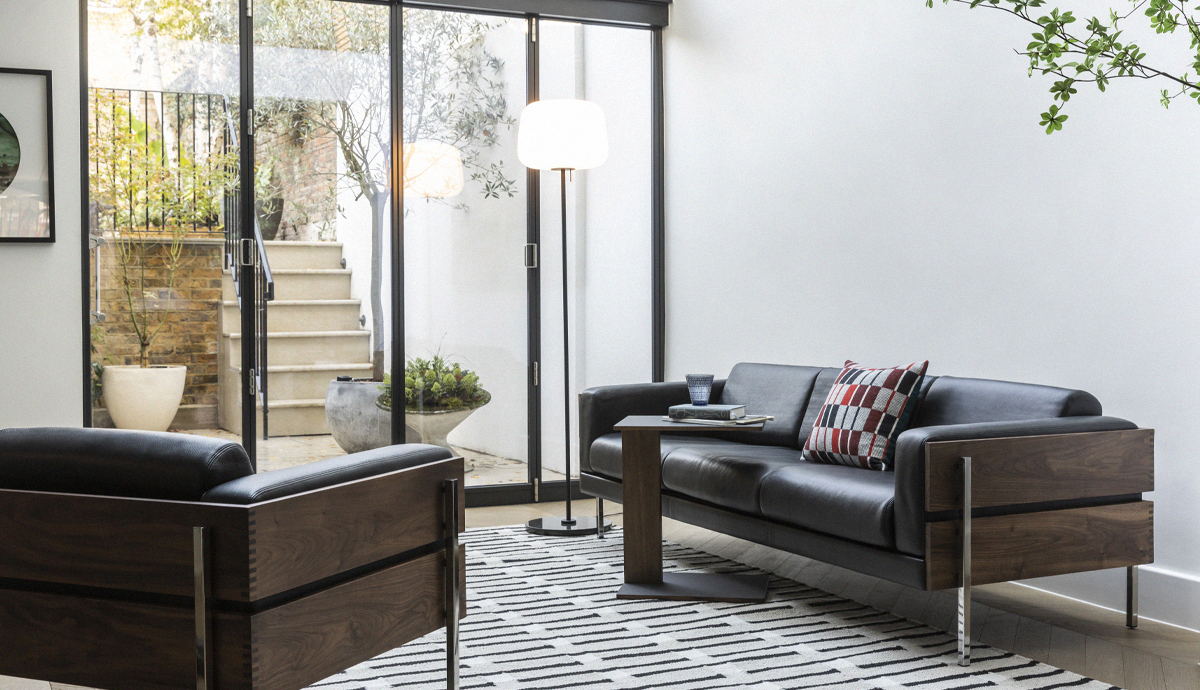
Among Robin Day’s most distinctive designs is the Forum range, originally introduced in the 1960s. The Forum armchair and sofas depart from the concealed frames typical of upholstered furniture, instead celebrating their structure with an exposed hardwood frame.
The result is a piece that feels both architectural and inviting. The clarity of the frame, combined with generous upholstered cushions, gives the design a balance that still feels contemporary today.
The Forum collection is now produced by Case Furniture in collaboration with the Robin and Lucienne Day Foundation, ensuring the designs remain faithful to Day’s original specifications while benefiting from modern manufacturing and upholstery.
Daystak and the Rise of Modern British Furniture
Another important chapter in Day’s career came through his long collaboration with the British manufacturer Hille. Over more than two decades the partnership produced some of the most influential furniture of the period.
The Daystak chair and table system exemplified Day’s approach to practical modern design. Simple components, strong materials and efficient construction created furniture suited to schools, homes and workplaces alike.
Today these designs continue to illustrate the shift towards functional, well-made furniture that defined the mid-century era. Available online at Utility, through Danish design brand &Tradition.
Beyond Furniture
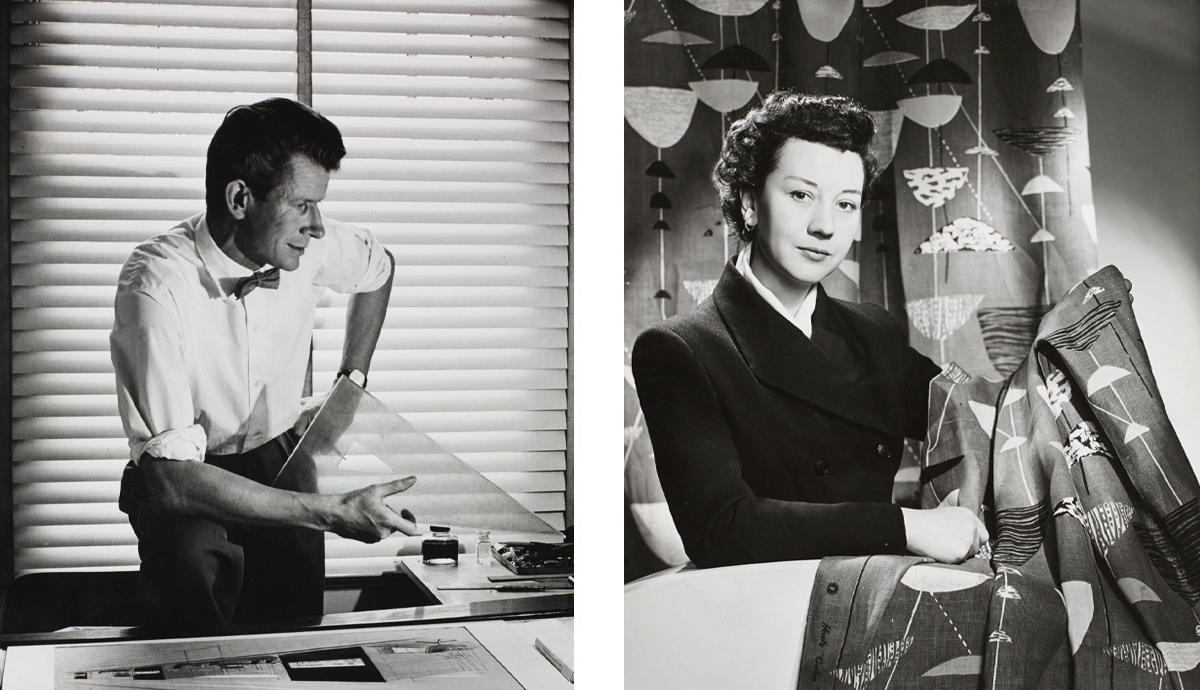
Robin Day’s work extended well beyond furniture design. Together with his wife, the celebrated textile designer Lucienne Day, he worked extensively as a consultant for the John Lewis Partnership, helping to shape the retailer’s in-house design language for more than two decades.
The pair also collaborated with organisations including BOAC, contributing to a broader post-war vision of British design that encompassed interiors, graphics and architecture.
Today Robin Day’s work can be found in the permanent collections of museums around the world, including the Victoria and Albert Museum and the Museum of Modern Art.
Robin Day Today
Many of Robin Day’s most celebrated designs continue to be produced today by leading design manufacturers.
The 675 Chair and Forum range are produced by Case Furniture in collaboration with the Robin and Lucienne Day Foundation, while other designs originally created for the Royal Festival Hall have been reissued by &Tradition.
These pieces demonstrate the enduring relevance of Day’s approach to furniture: thoughtful construction, clarity of form, and design that improves everyday living.
At Utility, we stock a curated selection of Robin Day designs including the Forum sofas and the 675 Chair, alongside other reissued classics that continue to define modern British furniture.
Explore our collection of Robin Day furniture to discover these enduring designs for yourself.
-
![In conversation with Tom Chung]() Designer ProfilesIn conversation with Tom ChungRead More
Designer ProfilesIn conversation with Tom ChungRead MoreTom Chung's design practice blends simplicity, functionality, and context, creating adaptable objects that reflect how people engage with their surroundings. Recently, Muuto introduced a larger version of his Beam Table Lamp, giving it an even bolder presence. Muuto sat down...
-
![Intercontinental Polymath; The Life And Work Of Isamu Noguchi]() Designer ProfilesIntercontinental Polymath; The Life And Work Of Isamu NoguchiRead More
Designer ProfilesIntercontinental Polymath; The Life And Work Of Isamu NoguchiRead MoreOne of the most acclaimed sculptors and product designers of the 20th century, Isamu Noguchi was one of the most formidable figures in design in the years following the Second World War. A sculptor by trade, Isamu Noguchi was born...