Why Freestanding TV Stands Are Slowly Replacing Media Units
...and how Danish design company Pedestal are positioning themselves as the go-to solution.
For a long time the TV dictated the room. Big black screen on top, a bulky media unit underneath, everything else arranged around it. Cabinets hid consoles, remotes and the occasional cable tangle. The TV stayed in one place, and so did the furniture.
Now TVs are thinner, lighter, and increasingly untethered. Wall mounting is an option, but not if you rent—or if you just don’t want to drill into walls. And bulky cabinets feel more like obligations than furniture.
Enter the freestanding TV stand. Brands like Pedestal have turned what used to be a purely practical object into something closer to furniture, while solving a few problems most people didn’t realise they had.
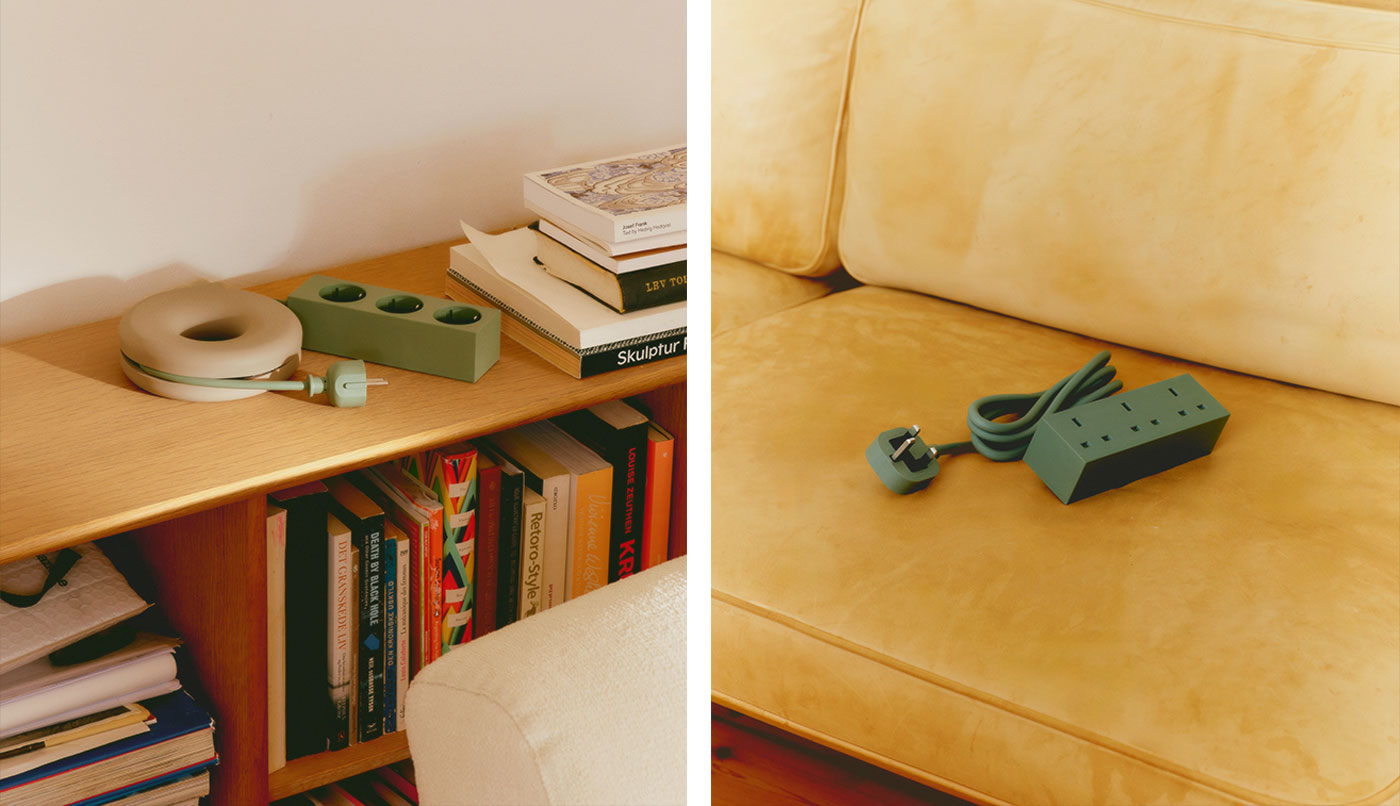
They’re renter-friendly
If you live somewhere you don’t own, wall mounting is never as simple as it looks. Landlord permissions, drilled holes, plaster patches later—the logistics alone can be enough to make you stick the TV on a sofa instead. Freestanding stands remove the problem entirely.
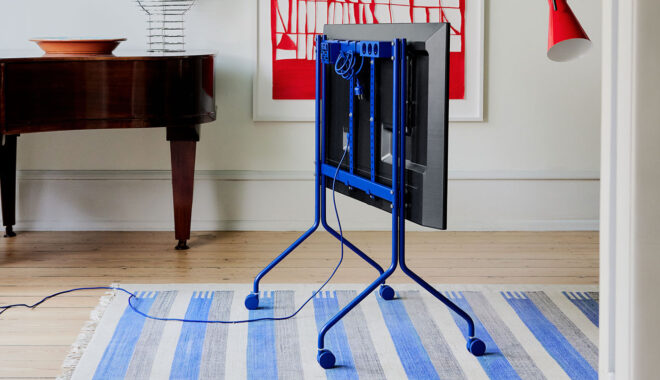
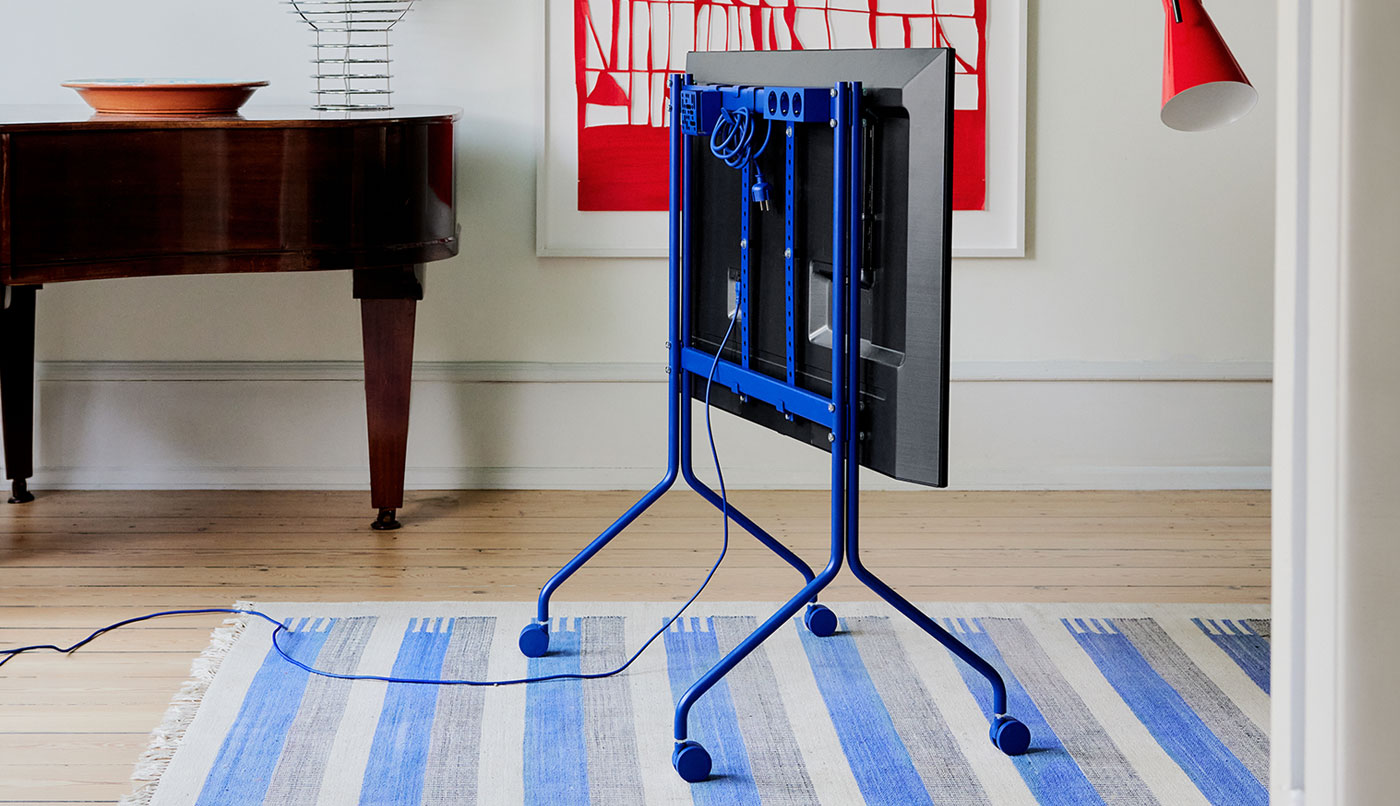
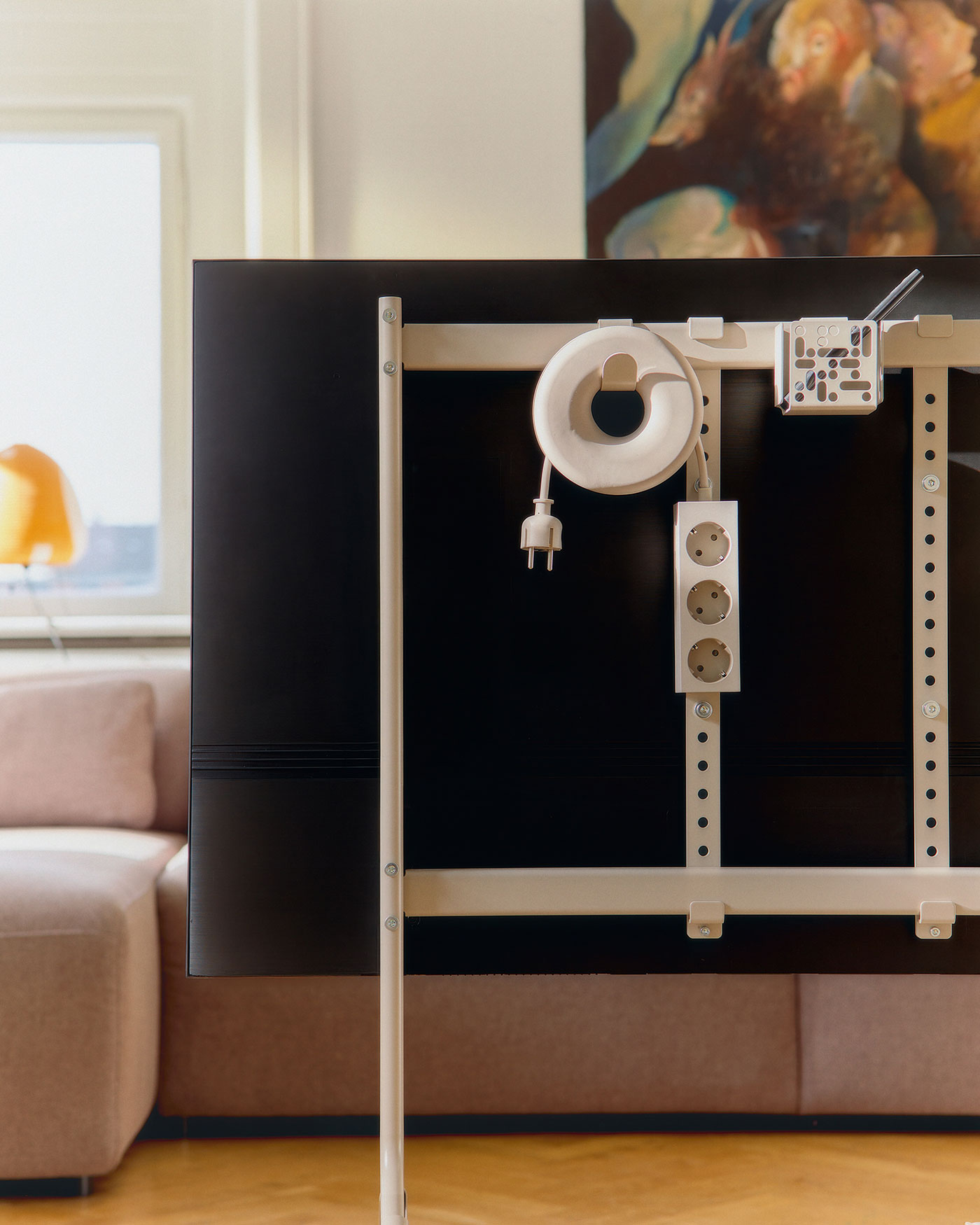
The Pedestal Bendy Tall TV Stand attaches directly to the TV and stands on the floor. No holes, no brackets, no fuss. And if you move, the stand moves with you.
They take up far less space
A traditional media unit often stretches 150–200 cm across the wall, even if the TV itself only needs a fraction of that. Freestanding stands take up far less floor space, visually lighten the room, and work in small apartments or open-plan layouts.
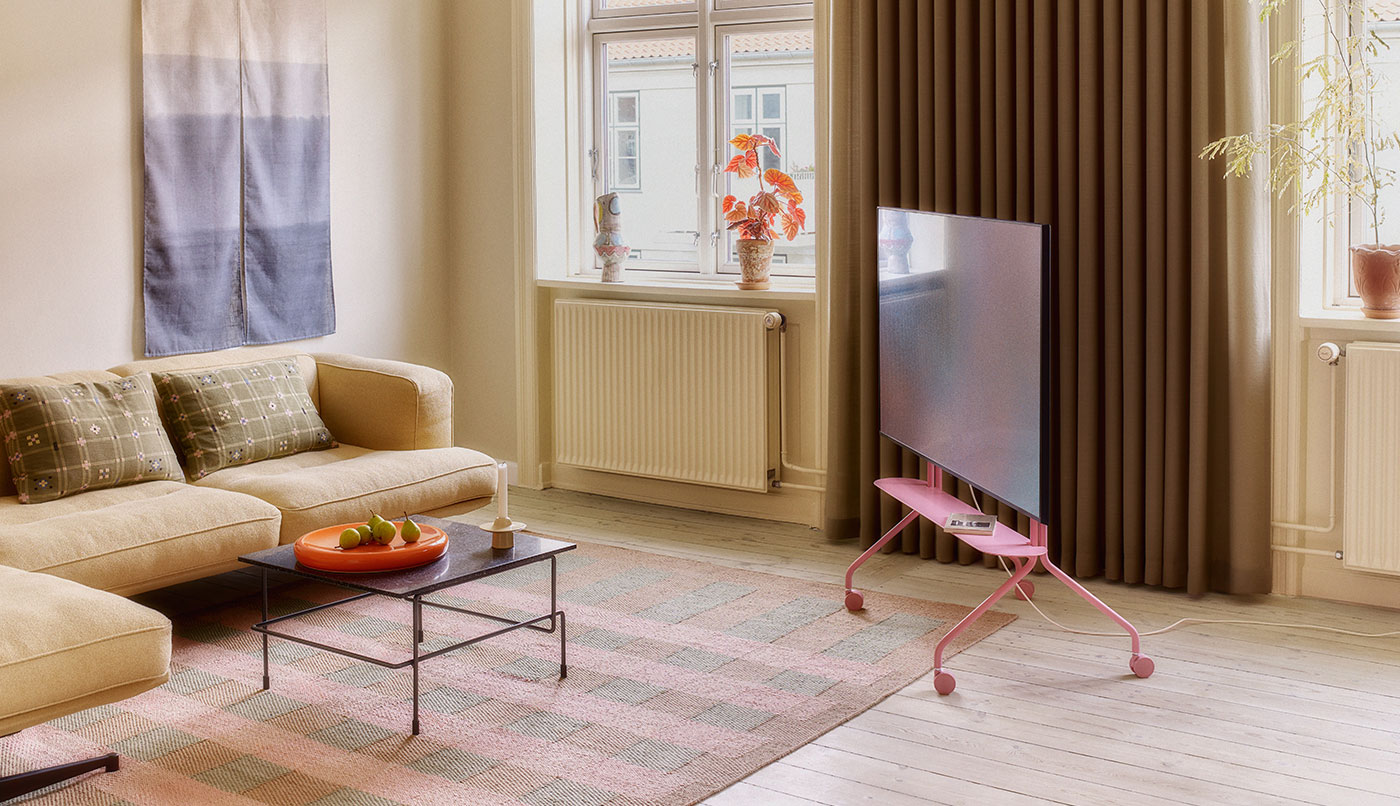
Models like the Pedestal Bloom TV Stand are deliberately minimal, leaving the TV as just another object in the space rather than the reason for the room’s layout.
One TV can move around the home
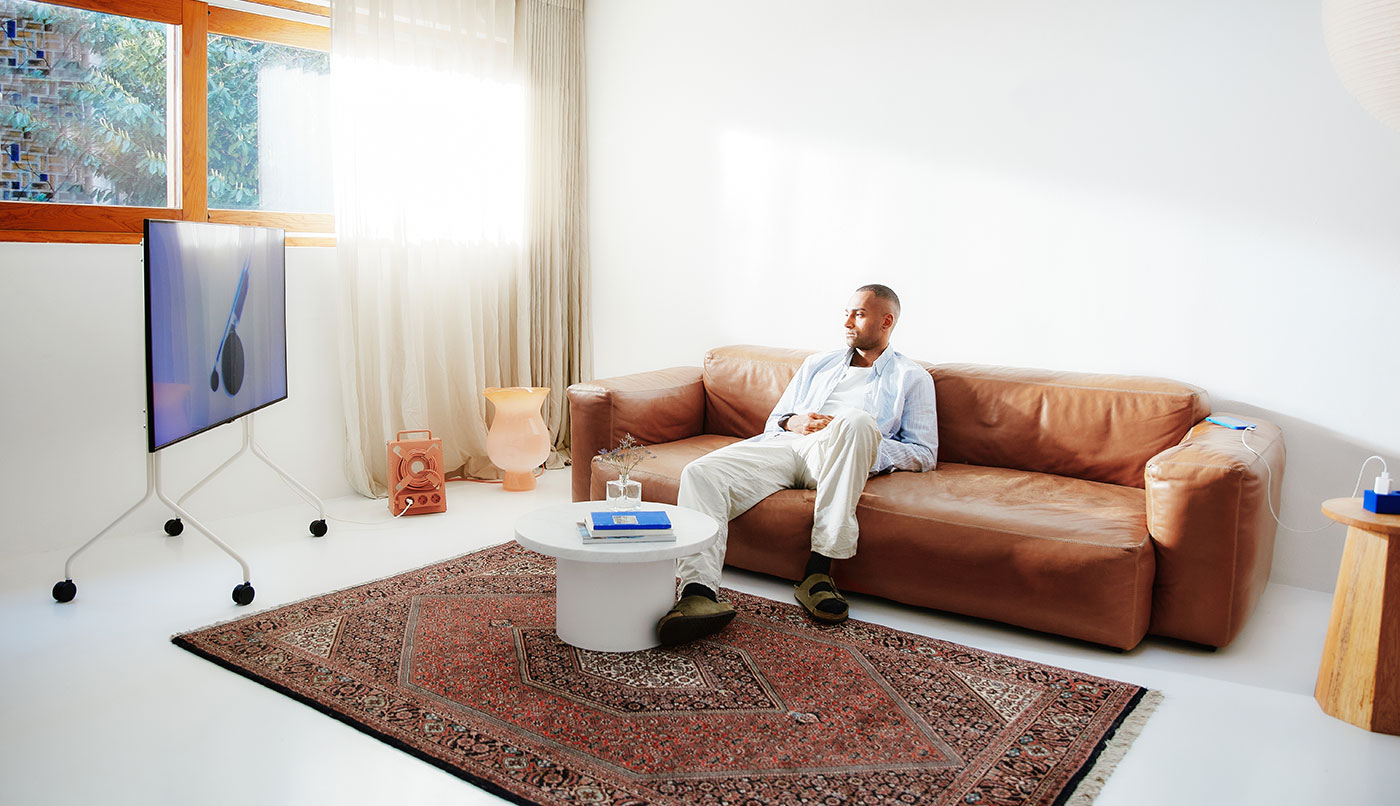
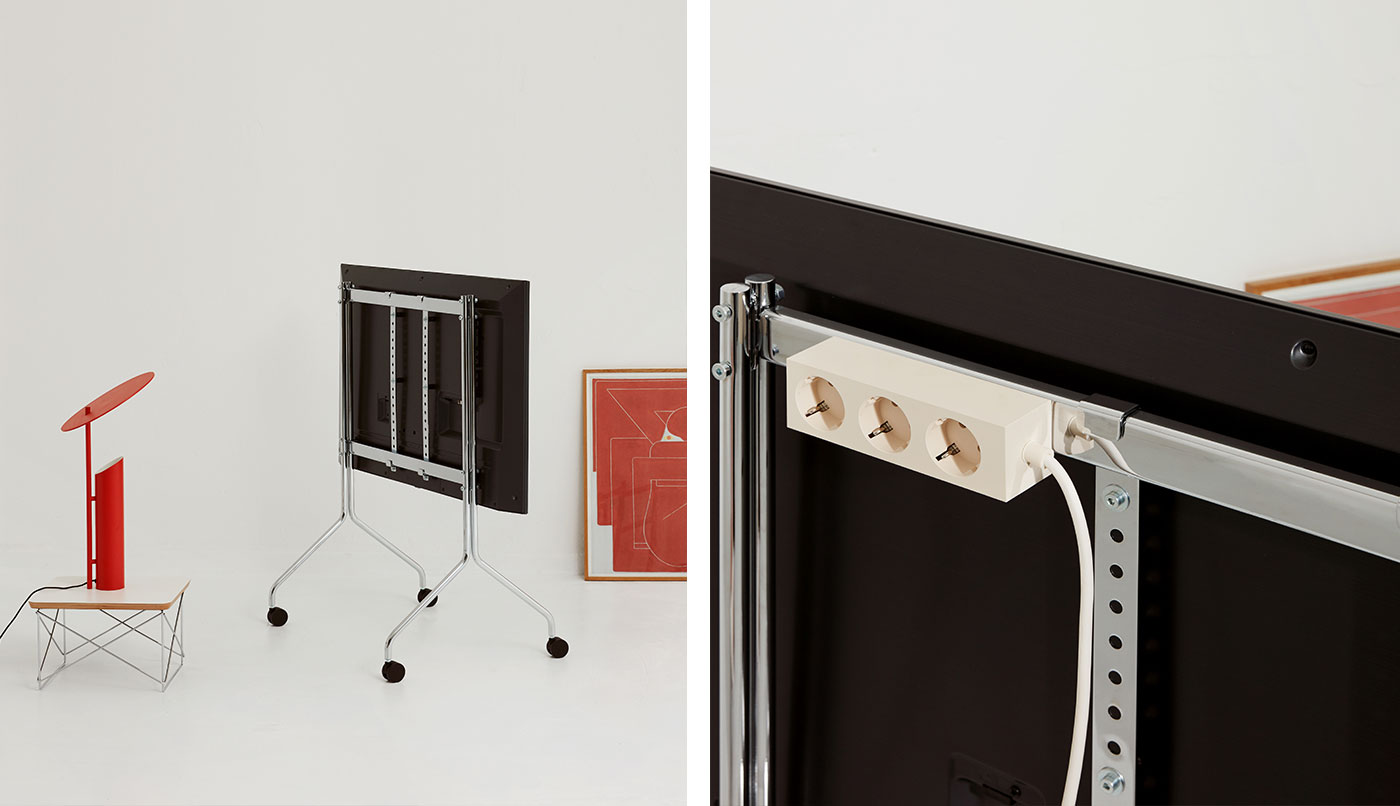
Wall-mounted TVs and heavy media units are stubborn. A freestanding stand is not. Roll it from living room to bedroom. Shift it into a spare room for guests. Or wheel it into the kitchen for a Sunday match.
The Pedestal Moon Rollin' TV Stand does exactly that: a single TV can serve multiple spaces. Less furniture, more flexibility.
They’re often cheaper than large media units
A solid wood cabinet can easily run into four figures. A freestanding TV stand—well designed, properly made—can sit in the £200–£400 range.
Pedestal manages to keep the budget accessible without compromising on materials or proportions. Powder-coated steel, solid oak accents, precise dimensions: it’s furniture, just without the financial commitment of a big cabinet.
You can still hide the messy tech
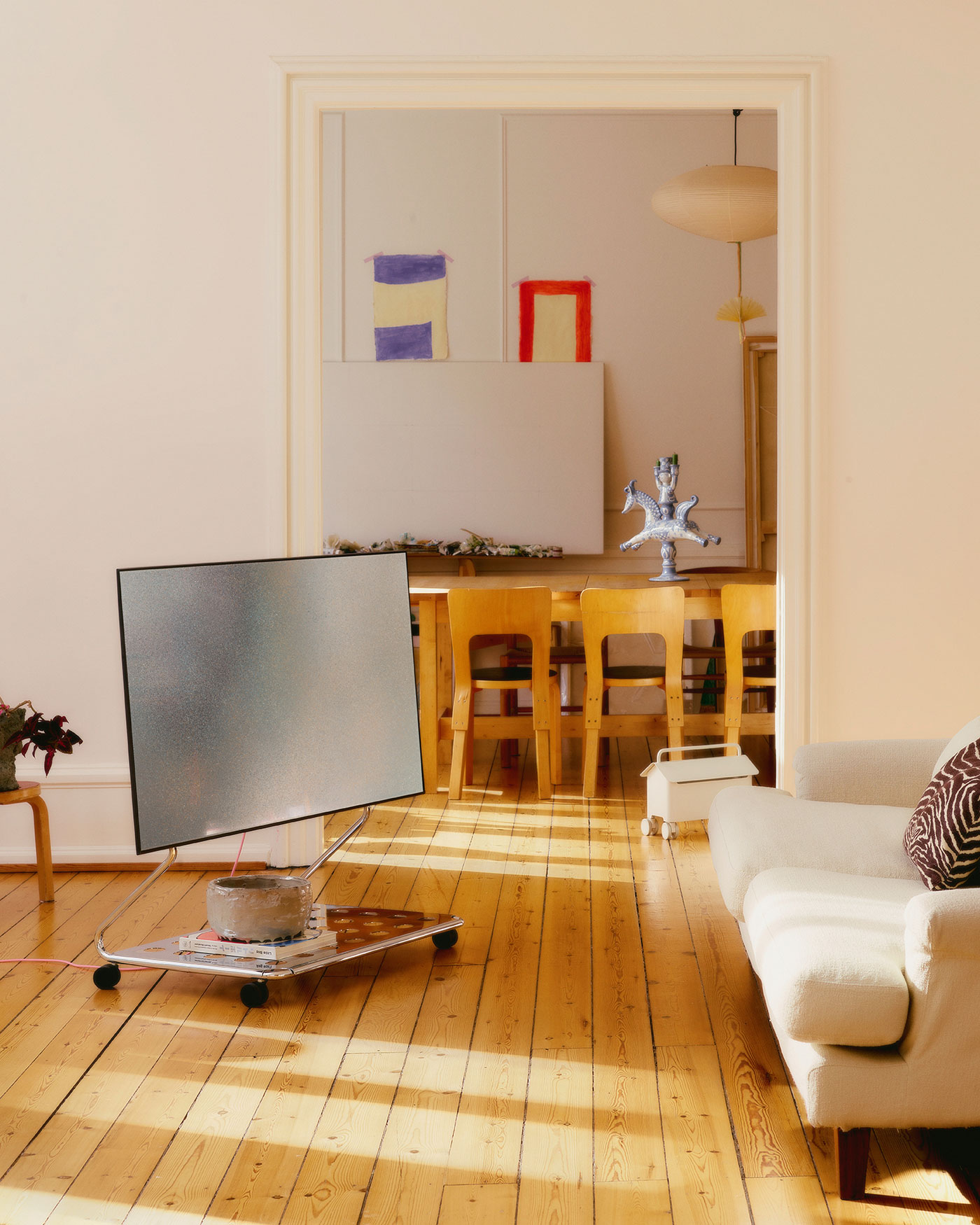
Media units were never popular purely for aesthetics—they hid the consoles, routers and wires. Freestanding stands now do the same in a smarter, more compact way.
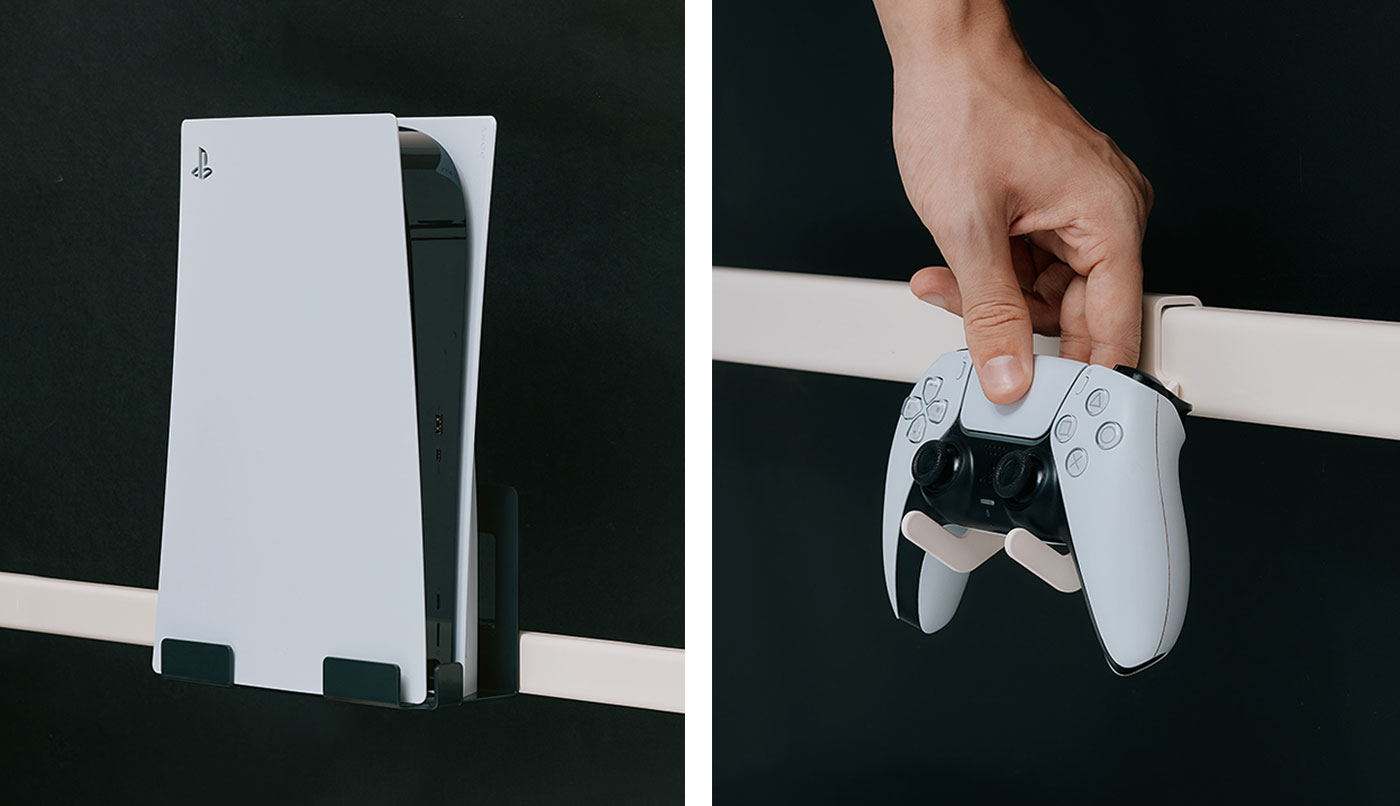
Pedestal’s modular accessories—trays, shelves, mounts—keep game consoles and streaming boxes out of sight. Clever cable routing reduces the tangle behind the screen, so everything looks neat even when the TV is on display. Most people spend more time choosing sofas than thinking about where cables go. A well-designed stand quietly solves that problem.
Freestanding TV stands aren’t replacing media units entirely, and they aren’t for everyone. But for renters, smaller homes, or anyone who wants the flexibility to move a TV around without committing to heavy furniture, they make a compelling alternative.
If you want something that looks intentional rather than temporary, Danish brand Pedestal has quietly become the go-to. The TV becomes movable furniture, the cables disappear, and the consoles are out of sight—without ever drilling a hole.
-
![Why Freestanding TV Stands Are Slowly Replacing Media Units]() TrendingWhy Freestanding TV Stands Are Slowly Replacing Media UnitsRead More
TrendingWhy Freestanding TV Stands Are Slowly Replacing Media UnitsRead More...and how Danish design company Pedestal are positioning themselves as the go-to solution. For a long time the TV dictated the room. Big black screen on top, a bulky media unit underneath, everything else arranged around it. Cabinets hid consoles...
-
![Why Italian design feels timely again for 2026]() TrendingWhy Italian design feels timely again for 2026Read More
TrendingWhy Italian design feels timely again for 2026Read MoreConfidence over correctness For a while there, interiors were expected to behave. Soft minimalism. Warm neutrals. Rounded edges. Furniture that politely blended in. Calm, coherent spaces. Spaces that often felt… anonymous. Good taste had become restraint. That mood is shifting...